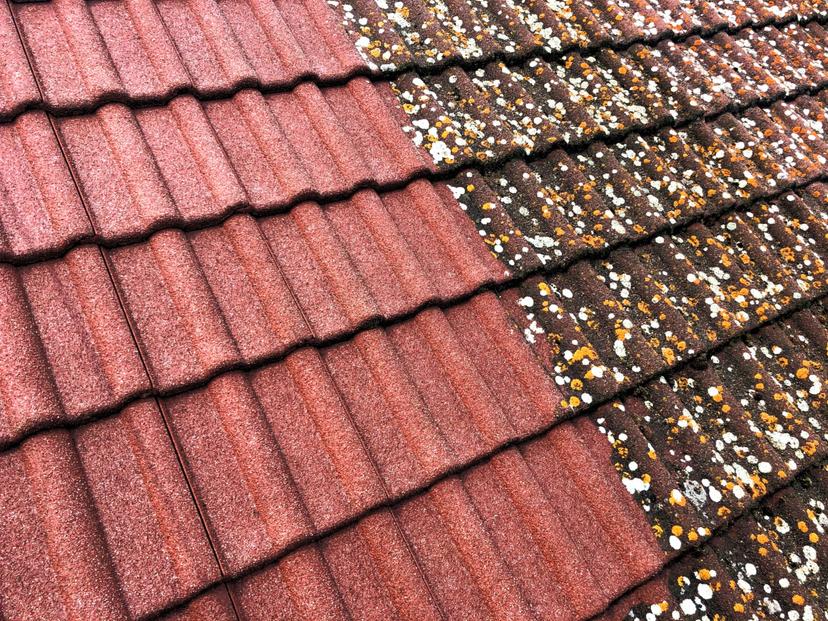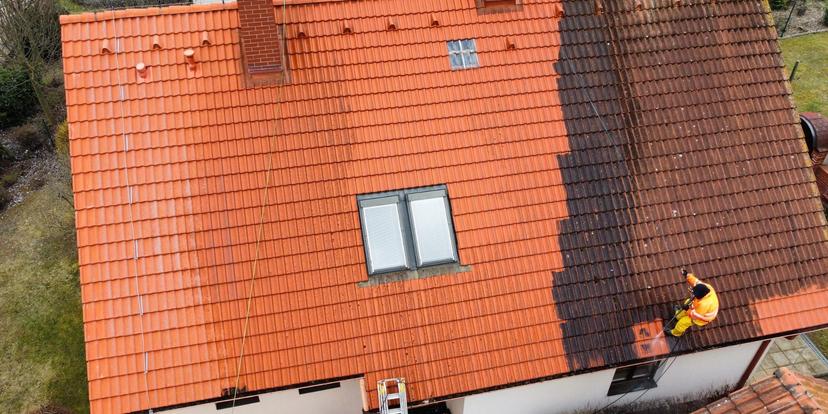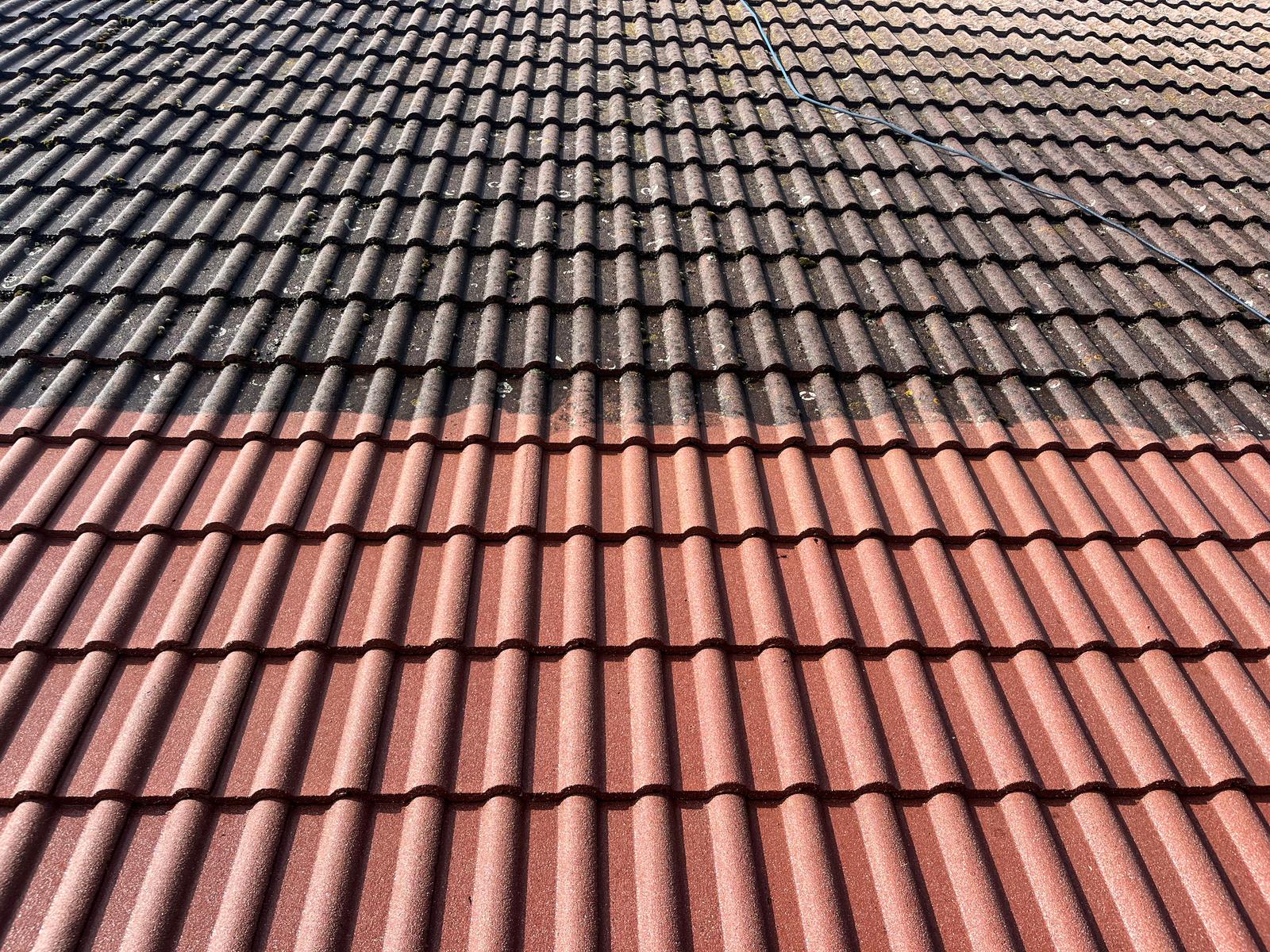
Moss and lichens on the roof are a problem that troubles many homeowners. One of the often-recommended solutions is the installation of copper strips, which are said to prevent the growth of these organisms. The principle of operation is simple – during rain, copper ions are washed away, which are claimed to inhibit the growth of moss and lichens. At first glance, this solution may seem ideal, but the reality is much more complex. Copper strips not only have limited effectiveness but also bring a number of issues that you should consider before placing them on your roof.
How do copper strips work?
Copper is known for its biocidal properties – the ions released when copper comes into contact with water are toxic to the growth of moss, lichens, and other microorganisms. This is the main reason why this material is recommended as a means of protecting the roof. However, this principle only works if water flows over the surface of the roof and carries the copper ions.
As a result, copper strips are effective only over a limited area – usually just on the parts of the roof that are directly beneath them. This is the first of several significant limitations that their use brings.
Negatives of copper strips
Although copper strips may initially appear to be a simple and effective solution, they actually come with a number of disadvantages. These issues should be considered by every homeowner before deciding to install copper on their roof.
1. Reaction with other metals and the risk of galvanic corrosion
One of the greatest risks associated with using copper on the roof is its reactivity with other metals. Many roofs contain other metals, such as zinc, aluminium, or steel (for example, in gutters, flashings, screws, or other structural elements). If copper comes into contact with these materials, galvanic corrosion can occur. This chemical process causes faster degradation of the material, which can lead to serious damage to the roof or other structural parts of the house. Instead of protecting the roof, copper strips can cause expensive and complicated repairs.
2. Soil and rainwater contamination
The release of copper ions into rainwater is not only unpleasant in terms of effectiveness but also has ecological consequences. Wash water saturated with copper ions can contaminate the soil around your home and negatively affect the growth of plants or the health of microorganisms that naturally occur in the soil. If you collect rainwater, for example, for watering your garden, this problem can significantly affect soil quality. Moreover, excessive copper poses a risk to aquatic organisms if it enters surrounding water bodies.
3. Aesthetic changes
One of the side effects of using copper on the roof is its oxidation. Over time, copper strips change colour to a greenish or dark brown shade, which can significantly reduce the aesthetic value of the roof. If your roof is in a visible location, the discolouration caused by oxidation can be distracting.
4. Limited effectiveness and long-term problems
Copper strips work only on parts of the roof where rainwater can wash away the copper ions. This means that, for example, in dry or sheltered areas of the roof (under eaves, in corners, or on the north side of the roof), the strips will not prevent the growth of moss and lichens. Additionally, their effectiveness decreases over time – the oxidation of the surface reduces the amount of ions released into the water. After a few years, the strips lose their functionality, meaning that moss can reappear.
Ecological and effective alternative: Roof cleaning and impregnation
If you want to keep your roof free from moss, lichens, and other dirt without risking damage to the structure or negative impacts on the environment, there is a much better solution – professional roof cleaning and impregnation. NANOfusion s.r.o. offers an ecological and long-lasting solution that protects the roof from moisture and the growth of microorganisms.
Our nanotechnology-based solution creates an invisible protective layer on the surface of the roof that repels water and prevents the accumulation of moss and lichens. Unlike copper strips, this solution does not harm the surrounding environment, does not cause corrosion of other materials, and does not reduce the aesthetic value of the roof. The result is long-term protection that saves you time, money, and worries.
Conclusion
Copper strips on the roof may initially seem like a clever solution, but their use brings a number of disadvantages. The risk of galvanic corrosion, soil and water contamination, reduced aesthetic value of the roof, and limited effectiveness make this approach problematic.
To ensure that your roof is protected in the long term without negative impacts on the environment or the structure of the house, turn to professionals. NANOfusion s.r.o. will provide you with a modern, ecological, and effective solution that ensures your roof remains clean, protected, and moss-free for many years to come.