A green carpet of moss on a roof may look romantic on a fairytale cottage. However, on a family home, it signifies moisture trapped in the roofing, clogged gutters, and in winter, frost that stresses the tiles. We will advise you on how to remove moss from your roof, what to watch out for with different roofing materials, and how to ensure it doesn’t return immediately.
Moss, Algae, or Lichen?
On roofs, three “tenants” usually coexist, each behaving a bit differently:
- Algae form a thin green to black layer. They are the first to settle on the roofing and prepare the ground for moss.
- Moss grows in cushions and tufts, retains water like a sponge, and its roots penetrate the pores of the roofing.
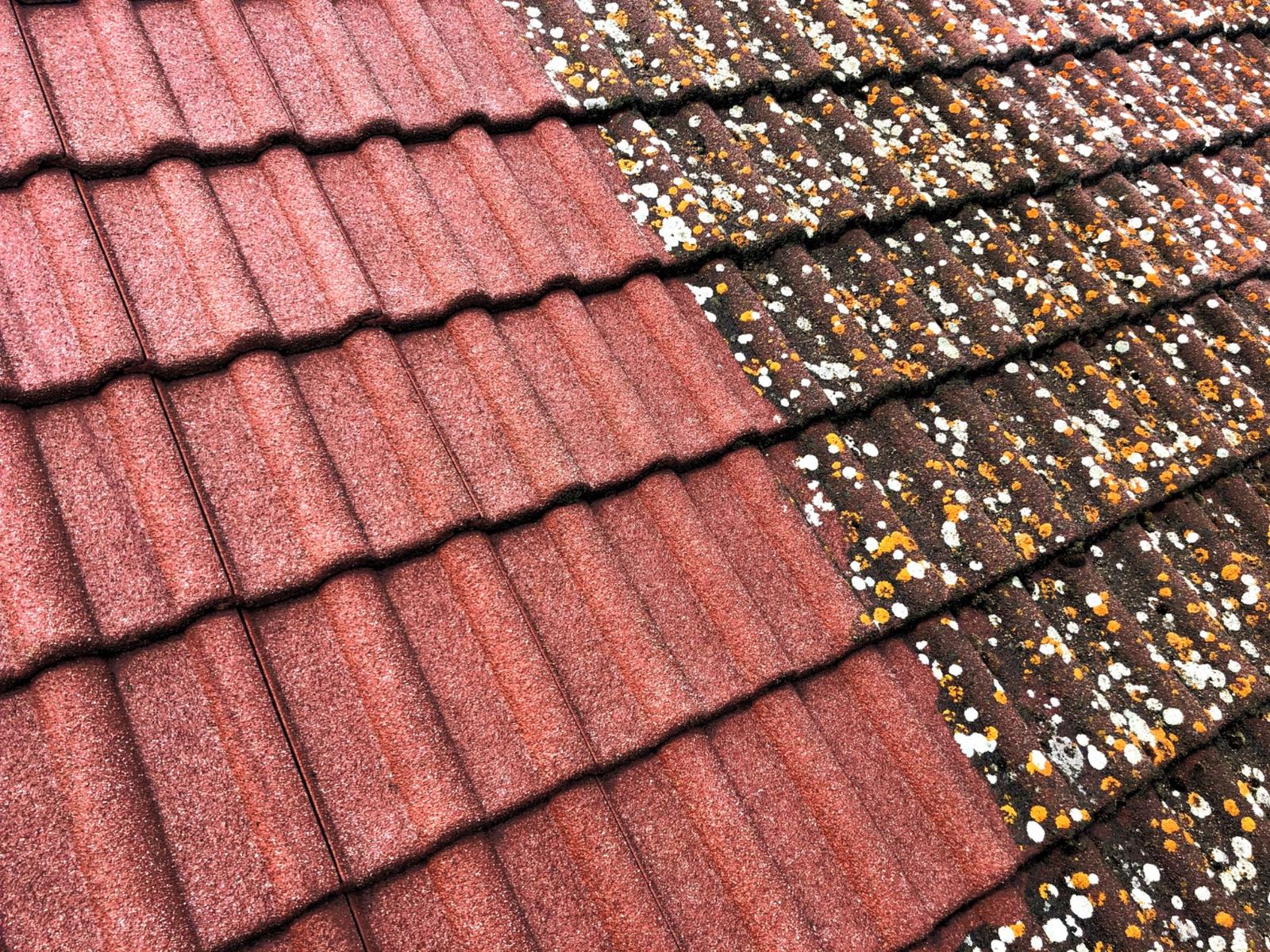
- Lichens appear as grey, yellow, or orange spots. They cling tightly and grow slowly but very resiliently.
When cleaning, it is necessary to remove all three; otherwise, the contamination will quickly return.
Why Does Moss Grow on Roofs?
Moss requires moisture, shade, and a rough surface to cling to. Therefore, it primarily grows:
- on north-facing sides of roofs that do not receive sunlight,
- under trees and in wooded or elevated areas where there is more precipitation and mist,
- on older and concrete tiles, whose surfaces become rough over time and absorb water.
Why is Moss Harmful on Roofs?
- It Retains Moisture: the roofing beneath the moss remains wet and saturated for a long time.
- Frost: water in the pores of the roofing freezes in winter, gradually damaging the surface of the tiles.
- Gutters and Downpipes: moss that loosens clogs gutters and downpipes, causing water to overflow down the facade.
- Water Drainage: thick cushions of moss can retain water in the joints of the tiles and push it under the roofing.
Options for Removing Moss
1. Manual Scraping
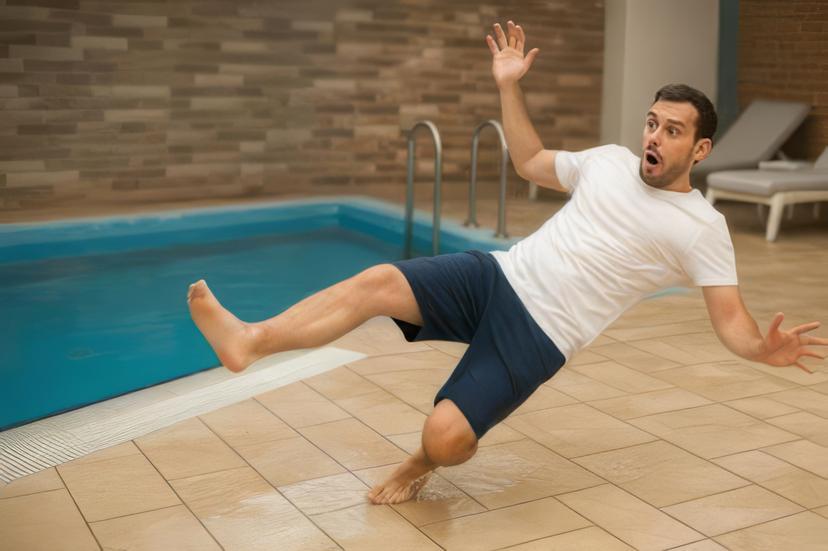
A brush or scraper can remove a thick layer of moss. However, this is slow, the roots in the pores of the tiles remain, and most importantly – moving on a wet, overgrown roof is dangerous. We do not recommend this without safety measures.
2. Pressure Washing
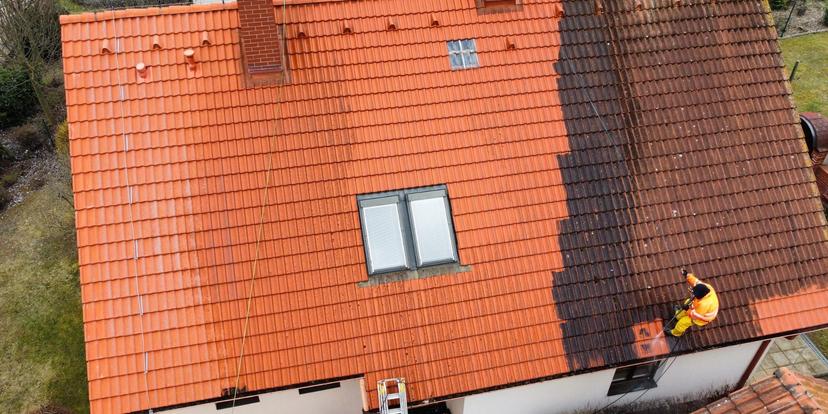
Pressure washing reliably removes moss and deposits, but only with the correct pressure setting. A too strong jet can damage the surface of the tiles, causing them to absorb even more water. Therefore, we adjust the pressure according to the type and condition of the roofing.
3. Biocidal Agent
A product against moss and algae destroys what remains in the pores and slows new growth. However, it does not remove a thick layer of moss on its own – it works best after cleaning.
What to Watch Out for with Different Roofing Materials
- Concrete Tiles are durable and withstand pressure well, but their surface becomes rough and absorbent over time. Therefore, impregnation is especially important after cleaning.
- Clay Tiles tend to be more sensitive, especially older pieces. We choose lower pressure and a gentler approach to avoid damaging the surface of the tiles.
- Metal Roofs hold less moss, but algae and dirt accumulate on them. They are cleaned gently to avoid damaging the surface coating of the metal. A new coating can restore the appearance and protection of a faded metal roof.
- Asbestos-Cement Roofing (old Eternit) must not be cleaned with pressure water or otherwise disturbed, as asbestos fibres may be released. We do not clean Eternit roofs – if you have one, contact a company that specializes in working with asbestos.
Why Does Moss Return?
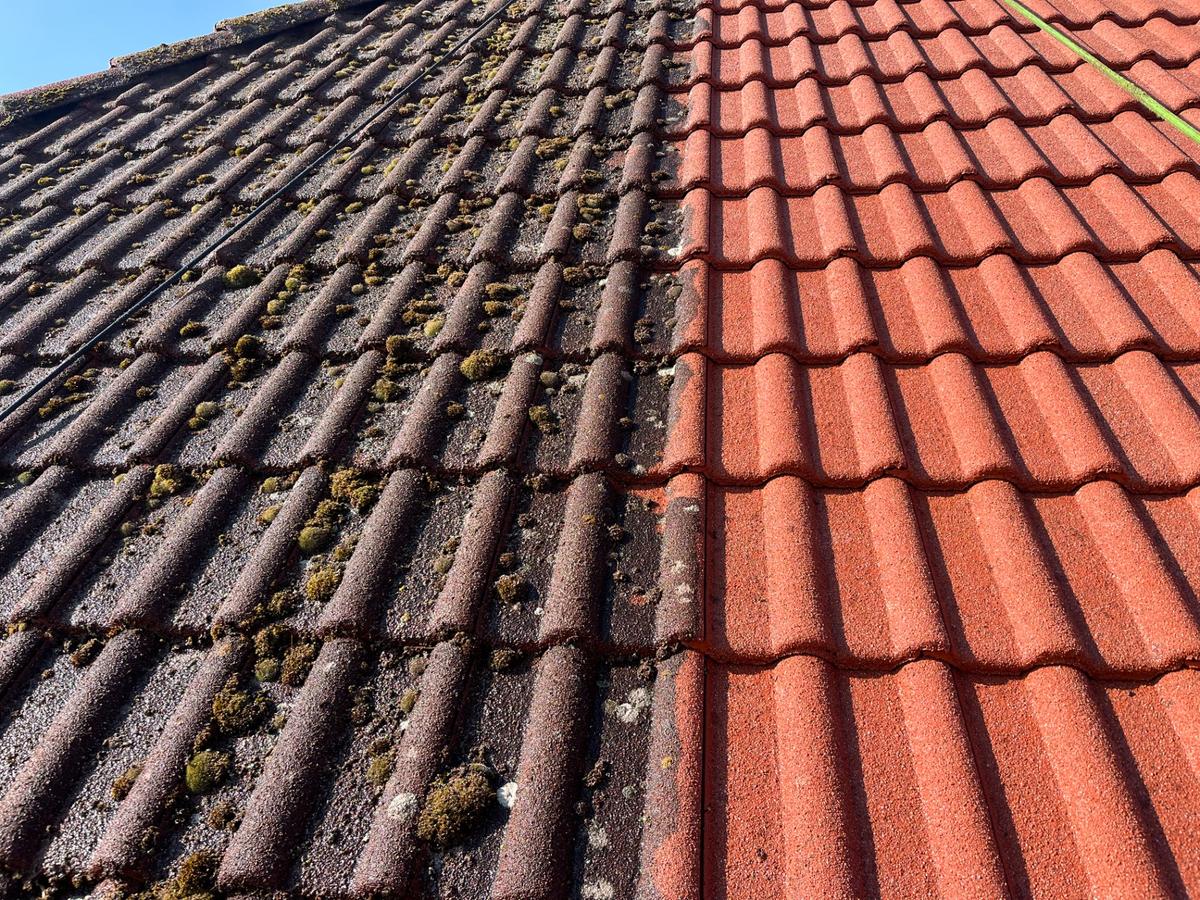
After cleaning, the roofing remains absorbent and rough, allowing moss to settle again in a year or two. Therefore, after cleaning, we protect the roof with impregnation guaranteed for 5 years. The roofing then absorbs less water, dries faster, and moss and algae adhere much less.
If the roofing is already faded or worn, a roof coating is also a good option, restoring its colour and protecting the surface.
How to Slow New Moss Growth
- prune tree branches that shade the roof and cover it with leaves,
- keep gutters and downpipes clear to allow water to drain from the roof,
- protect the roof after cleaning with impregnation or coating,
- check the roof once a year – small green spots are easier to deal with than a continuous carpet of moss.
When to Call Professionals
- the roof is high or steep and you do not have equipment for working at height,
- moss is in a thick layer over a large area,
- you do not know what pressure and method your roofing can withstand,
- you want the result to last – both cleaning and protection.
Our staff are experienced and trained for working at height and work with safety measures, so we can manage without scaffolding.
Frequently Asked Questions
Will pressure washing damage the tiles?
With the correctly set pressure, no. Therefore, we choose the pressure according to the type and condition of the roofing and proceed more gently with older tiles.
How often does the roof need cleaning?
It depends on the location of the house and the roofing. With impregnation, the roof stays clean significantly longer than with cleaning alone.
Can you clean even in the rain?
Cleaning itself can be done yes. However, we only perform impregnation when it is dry and at a surface temperature of at least 5 °C.
How much does it cost to remove moss from a roof?
Roof cleaning including impregnation starts from €6/m² excluding VAT, with a minimum call-out fee of €480 excluding VAT. More in the article How much does roof cleaning cost per m².
Do you have moss on your roof? Send us photos or call +420 774 509 409 and we will send you a free quote within 24 hours.